
INFO@ISS.ORG
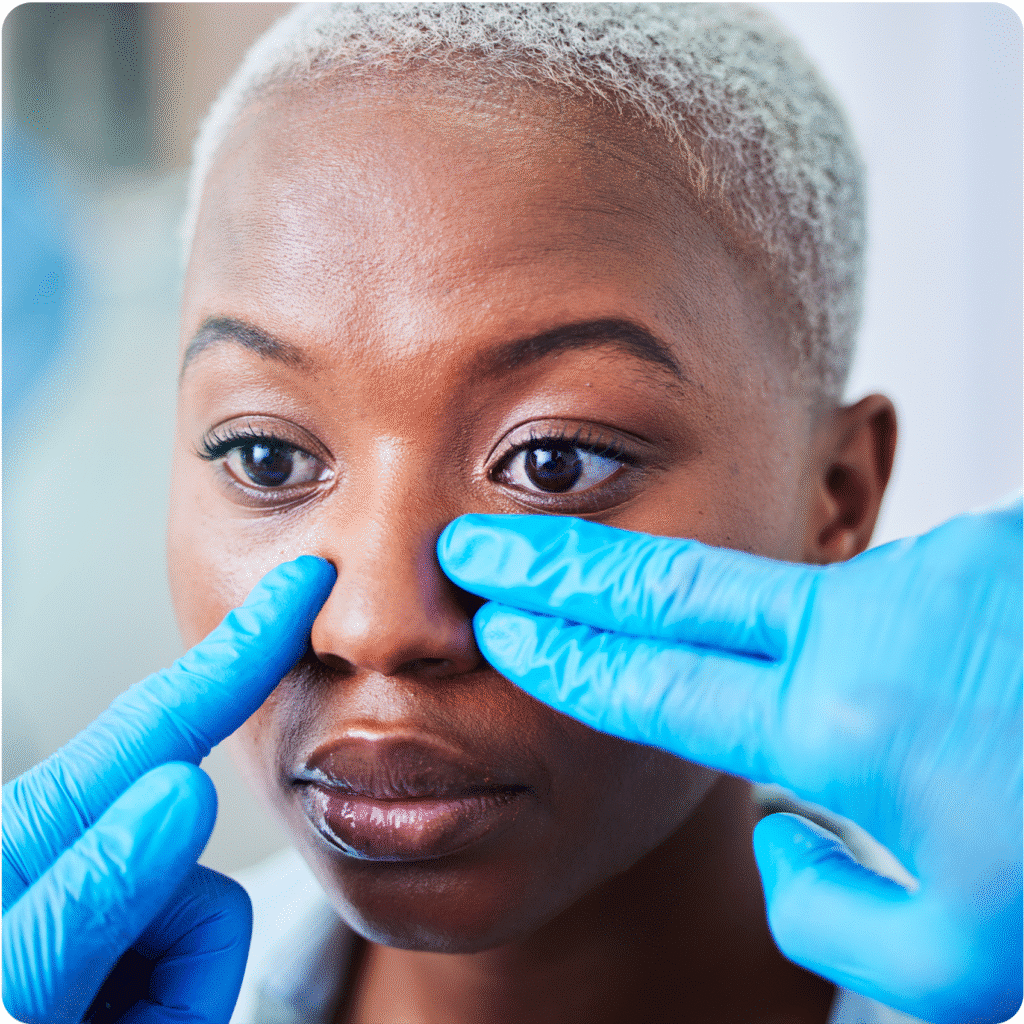
Our practice is a recognized Center of Excellence for minimally invasive rhinology procedures, specializing in advanced, office-based treatments designed to restore normal sinus and nasal function with precision and minimal disruption to the anatomy and patient schedules.
For nearly 20 years, we have been leaders in the use of balloon sinuplasty, a technology that relies on millimeter level changes, often all that is needed, to allow the sinuses to drain and function normally. This approach preserves natural anatomy while delivering meaningful, lasting symptom relief for patients with chronic sinus disease.
In addition to balloon sinuplasty, we offer radiofrequency-based treatments for:
• Chronic runny nose (chronic rhinitis)
• Chronic nasal congestion
Our team has been at the forefront of these technologies, playing a key role in their clinical adoption, FDA approval, and insurance coverage. These procedures are minimally invasive, performed comfortably in the office under local anesthesia, eliminating the need for general anesthesia or hospital-based surgery.
To enhance patient comfort During all of our procedures, we provide Pronox™, a self-administered mixture of oxygen and nitrous oxide that helps patients relax during the procedure while remaining fully awake and in control.
Clinical outcomes are strong: patients experience, on average, a 75% improvement in symptom scores within four weeks, often with continued improvement over time. It is not frequent that a patient will need to have these procedures repeated.
Our mission is to deliver cutting-edge, evidence-based rhinology care that is effective, efficient, and centered on patient comfort, allowing patients Sinuses and airways to breathe better, recover faster, and return to daily life with minimal downtime.
For additional questions or personalized support, please reach out to our team.